NDC vs GDS APIs: Complete Comparison Guide
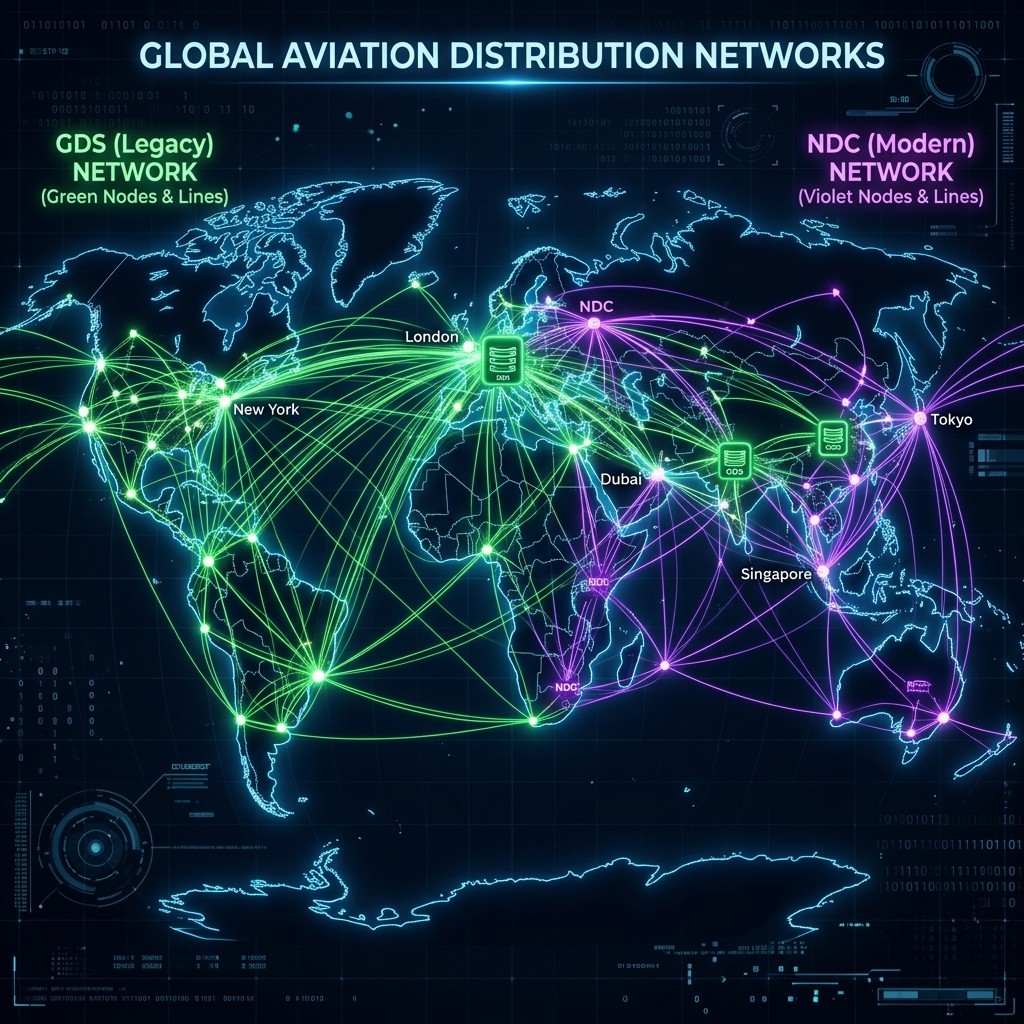
The Evolution of Airline Distribution
For decades, air travel booking relied strictly on Global Distribution Systems (GDS) using the legacy EDIFACT standard. While GDSs provided unmatched global reach, they restricted airlines from offering personalized deals, rich media (like seat photos or meal selections), and dynamic pricing bundles.
To address these limitations, the International Air Transport Association (IATA) introduced New Distribution Capability (NDC) — an XML/JSON-based transmission standard that enables airlines to distribute rich content and dynamic offers directly to OTAs and travel agencies.
Architecture Comparison: GDS vs NDC
The diagram below illustrates the fundamental flow difference between traditional GDS systems and direct NDC distribution networks.
Technical Comparison Table
| Feature | Traditional GDS (EDIFACT) | Direct NDC (XML/JSON) |
|---|---|---|
| Standard Protocol | EDIFACT (Legacy) | IATA NDC (Modern XML/JSON) |
| Offer Management | Pre-calculated static fares | Dynamic direct offers from airline engines |
| Rich Media Support | None (text code only) | High (seat maps, photos, amenities lists) |
| Baggage & Seat Bundles | Complex to coordinate | Fully customizable ancillary bundles |
| GDS Bypass Fees | High booking transaction fees | Waived or significantly reduced direct cost |
Key Takeaways for OTAs
While NDC offers superior personalization and lower transaction costs, it remains fragmented. The ideal travel portal architecture is a hybrid distribution model: leveraging GDS APIs for broad coverage and interline connections, and NDC channels for key partner airlines to secure cheap direct rates and rich baggage bundles.
How AdcoraAI Can Help You Build This
At AdcoraAI, we specialize in travel technology development — from API integrations and booking engine architecture to full-stack travel portal development for OTAs, DMCs, and travel startups. Our team handles the end-to-end engineering so you can focus on growing your business.